தயாரிப்பு விளக்கம்
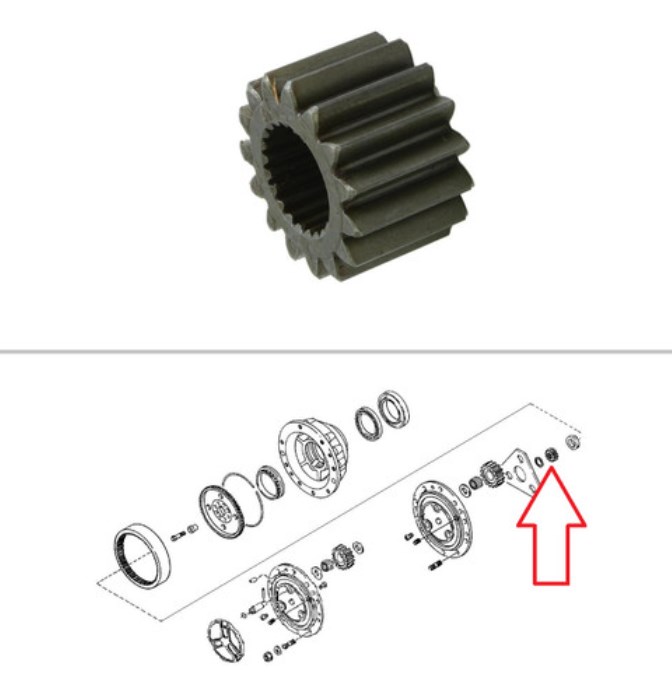
SINOTRUK HOWO Gearbox parts Sun Gear WG2215710001
| நிறுவனம் | ChinaMach Industry Co.,Ltd |
| Brand | SINOTRUK HOWO/WEICHAI/MAN/SHACMAN/FAW/FOTON/AUMAN/NORTHBENZ/SAN Y/ SHXIHU (WEST LAKE) DIS.I/SDLG |
| QUALITY | Original part/OE part |
| Payment term | T/T L/C , Flexible billing method |
| Packing | Standard packing |
We can provide:
TRUCK
Sales Chinese trucks and construction machinery,Provide modificationsu,pgrades, consulting services
SPARE TRUCK
Supply China Truck spare parts and construction machinery parts. Products Include: Sinotruk HOWO, CHINAMFG Power , Fonton, Shacman, SHXIHU (WEST LAKE) DIS.I, SAN Y ,SDLG
SERVICE
Provide cargo warehousing, packaging, shipping and export agency services
Agent procurement, inspection The inspection agency
| Type: | Transmission |
|---|---|
| Certification: | ISO9001 |
| Driving System Parts: | Frame |
| Electrical System Parts: | Starting System |
| Brake System Parts: | Brake |
| Transmission System Parts: | Transmission Shaft |
| Samples: |
US$ 1/Piece
1 Piece(Min.Order) | |
|---|
| Customization: |
Available
| Customized Request |
|---|
How does the size of a sun gear affect the gear ratio in planetary systems?
The size of the sun gear plays a significant role in determining the gear ratio in planetary gear systems. The gear ratio determines the relationship between the input speed and torque and the output speed and torque in the system. Here’s an explanation of how the size of the sun gear affects the gear ratio in planetary systems:
- Direct Proportion:
In a planetary gear system, the gear ratio is influenced by the relative sizes of the sun gear, planet gears, and ring gear. The gear ratio is typically expressed as the ratio of the output speed to the input speed or the ratio of the output torque to the input torque.
When considering the size of the sun gear, it is important to understand that the gear ratio is inversely proportional to the size of the sun gear. In other words, as the size of the sun gear increases, the gear ratio decreases, and vice versa.
- Power Distribution:
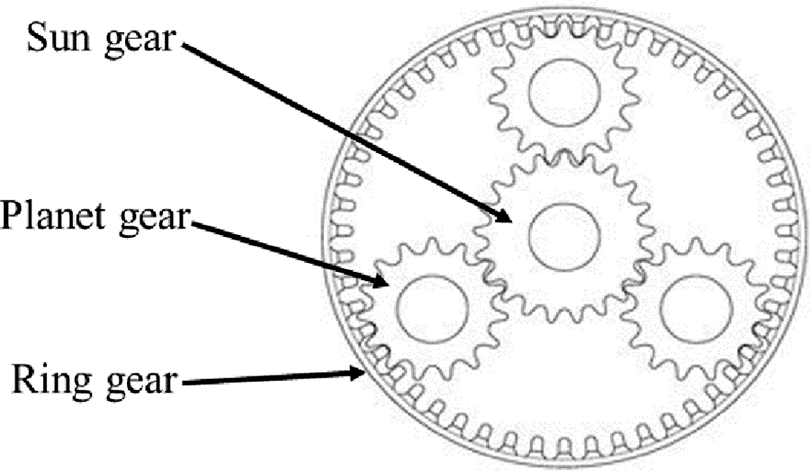
The size of the sun gear affects the power distribution within the planetary system. As the sun gear rotates, it engages with the planet gears, which, in turn, mesh with the ring gear. The interaction between these gears determines the gear ratio.
A larger sun gear allows for a higher number of teeth on the sun gear itself as well as on the planet gears. This means that each rotation of the sun gear will result in a smaller rotation of the planet gears and the ring gear. Consequently, a larger sun gear leads to a lower gear ratio, reducing the output speed and increasing the output torque.
- Torque Amplification:
Another factor influenced by the size of the sun gear is torque amplification. In planetary gear systems, the sun gear’s size affects the torque multiplication or reduction capabilities of the system.
With a larger sun gear, the system can provide higher torque output for a given input torque, resulting in torque amplification. This can be advantageous in applications where increased torque is required, such as during vehicle acceleration or heavy load conditions.
Conversely, a smaller sun gear reduces the torque output of the system, resulting in torque reduction. This can be useful in situations where a lower torque output is desired, such as when precise control is required or when operating in low-torque applications.
- Overall Gear Ratio Range:
The size of the sun gear also affects the overall gear ratio range that can be achieved in a planetary system. By varying the size of the sun gear relative to the other gears, different gear ratios can be achieved, allowing for a wider range of output speeds and torques.
For example, if a system requires a higher gear ratio range, a larger sun gear can be used in combination with appropriately sized planet gears and a ring gear. Conversely, if a lower gear ratio range is desired, a smaller sun gear can be employed.
It’s important to note that the size of the sun gear alone does not determine the gear ratio. The gear ratio is influenced by the combination of the sizes of all the gears within the planetary system.
In summary, the size of the sun gear in a planetary gear system has a direct impact on the gear ratio, power distribution, torque amplification, and overall gear ratio range. A larger sun gear results in a lower gear ratio, while a smaller sun gear leads to a higher gear ratio. The size of the sun gear, along with the sizes of the other gears, determines the performance characteristics of the planetary system.
How does a sun gear handle variations in load and speed conditions?
A sun gear is designed to handle variations in load and speed conditions in mechanical systems. Its unique positioning and interaction within a planetary gear arrangement contribute to its ability to adapt to changing load and speed requirements. Here’s an explanation of how a sun gear handles variations in load and speed conditions:
- Load Distribution:
In a planetary gear system, the sun gear is located at the center and engages with multiple planet gears, which in turn interact with the outer ring gear. This configuration enables the sun gear to distribute the load among the planet gears. As the load on the system varies, the distribution of load among the planet gears adjusts accordingly. The load distribution mechanism allows the sun gear to handle variations in load conditions by effectively sharing the load across multiple contact points.
- Torque Amplification:
The arrangement of the sun gear, planet gears, and ring gear in a planetary system allows for torque amplification. By changing the number of teeth on the gears and their relative sizes, the gear ratio can be customized. This capability enables the sun gear to adapt to variations in load and speed conditions. When higher torque is required, the gear system can be configured to provide torque amplification by increasing the gear ratio. Conversely, when lower torque is needed, the gear ratio can be adjusted accordingly. This flexibility in gear ratio configuration allows the sun gear to handle variations in load and speed by adapting the torque output.
- Speed Regulation:
Another way the sun gear handles variations in load and speed conditions is through speed regulation. In a planetary gear system, the sun gear’s rotation speed is determined by the input speed and the gear ratio configuration. By adjusting the gear ratio, the rotational speed of the sun gear can be controlled. This speed regulation capability allows the sun gear to adapt to changing speed requirements. When higher speeds are necessary, the gear ratio can be adjusted to increase the rotational speed of the sun gear. Similarly, when lower speeds are desired, the gear ratio can be modified accordingly. The sun gear’s ability to regulate its rotational speed enables it to accommodate variations in load and speed conditions.
- Sturdy Construction:
Sun gears are typically constructed from durable materials such as hardened steel or other high-strength alloys. This robust construction enables them to withstand the forces generated by variations in load and speed conditions. The sturdy design of sun gears ensures that they can handle the stresses and strains associated with changing operating conditions without experiencing premature wear or failure.
In summary, a sun gear handles variations in load and speed conditions through load distribution among the planet gears, torque amplification or reduction based on the gear ratio configuration, speed regulation by adjusting the gear ratio, and its sturdy construction. These features enable the sun gear to adapt to changing requirements, ensuring reliable and efficient operation in various mechanical systems.
How does a sun gear differ from other types of gears?
A sun gear has distinct characteristics that set it apart from other types of gears. While gears serve various purposes in mechanical systems, understanding the specific features of a sun gear can help differentiate it from other gear types. Here’s an explanation of how a sun gear differs from other gears:
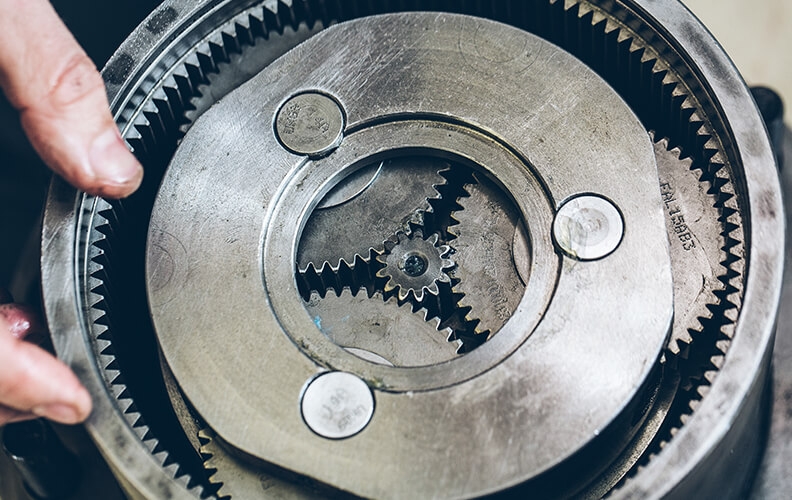
- Central Position: Unlike many other gears that are located on the periphery of a gear system, a sun gear is positioned at the center of a planetary gear arrangement. It serves as a central driver within the system, transmitting torque to other gears.
- Engagement with Planet Gears: A defining feature of a sun gear is its engagement with multiple planet gears. These planet gears surround the sun gear and mesh with both the sun gear and an outer ring gear. The interaction between the sun gear and the planet gears allows for the transfer of torque and power distribution within the gear system.
- Gear System Configuration: Sun gears are commonly found in planetary gear systems, where they function as a central component. Planetary gear systems consist of a sun gear, planet gears, and an outer ring gear. The arrangement and interaction of these gears enable various gear ratios, torque multiplication, and directional control.
- Power Input: In a planetary gear system, the sun gear typically receives power input from an external source, such as an engine or motor. It serves as the primary driving element that initiates torque transmission and power distribution within the system.
- Role in Gear Ratio: The sun gear’s size, number of teeth, and its interaction with the planet gears and ring gear determine the overall gear ratio. By altering the sizes and arrangements of these gears, manufacturers can achieve different speed and torque combinations, providing versatility in gear system applications.
While a sun gear has its unique characteristics, it is essential to note that gears come in various types and configurations, each serving specific purposes in mechanical systems. Different types of gears include spur gears, helical gears, bevel gears, worm gears, and more. Each type has its own design, tooth profile, and applications, catering to different needs such as speed reduction, torque multiplication, directional control, or noise reduction.
In summary, a sun gear differentiates itself through its central positioning, engagement with planet gears, configuration in planetary gear systems, role as a power input element, and influence on gear ratio. Understanding these distinctions helps in recognizing the specific functions and applications of sun gears within mechanical systems.


editor by CX 2023-11-01