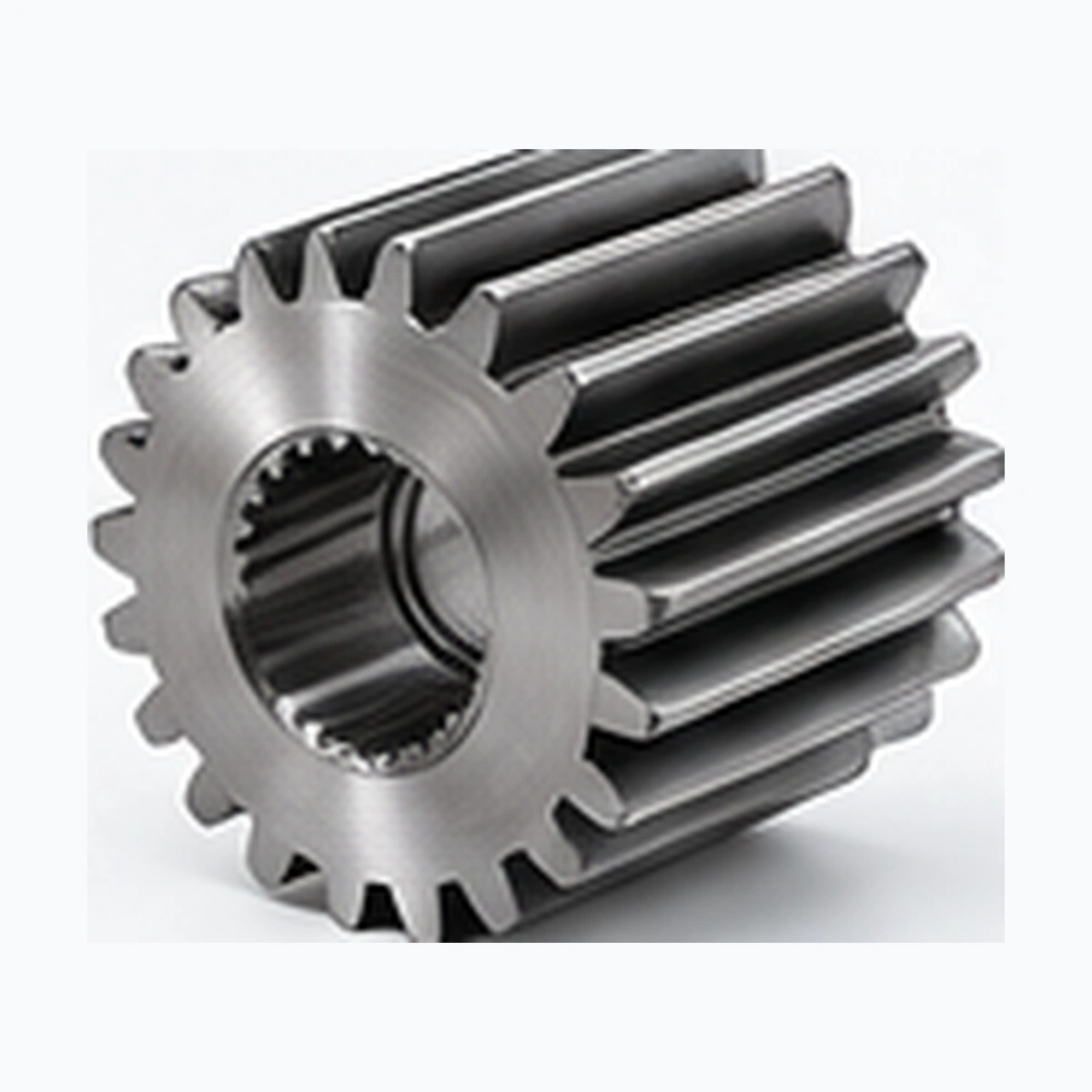
Standard Sun Gears
External sun gears for planetary stages where tooth count, module/DP and mating geometry are defined by the transmission design.
EVER POWER supplies standard and drawing-based sun gears, splined sun gears and sun gear shafts for planetary transmissions. Selection starts with the mating planet gears and ring gear, then confirms tooth geometry, interface, material, heat treatment and inspection.
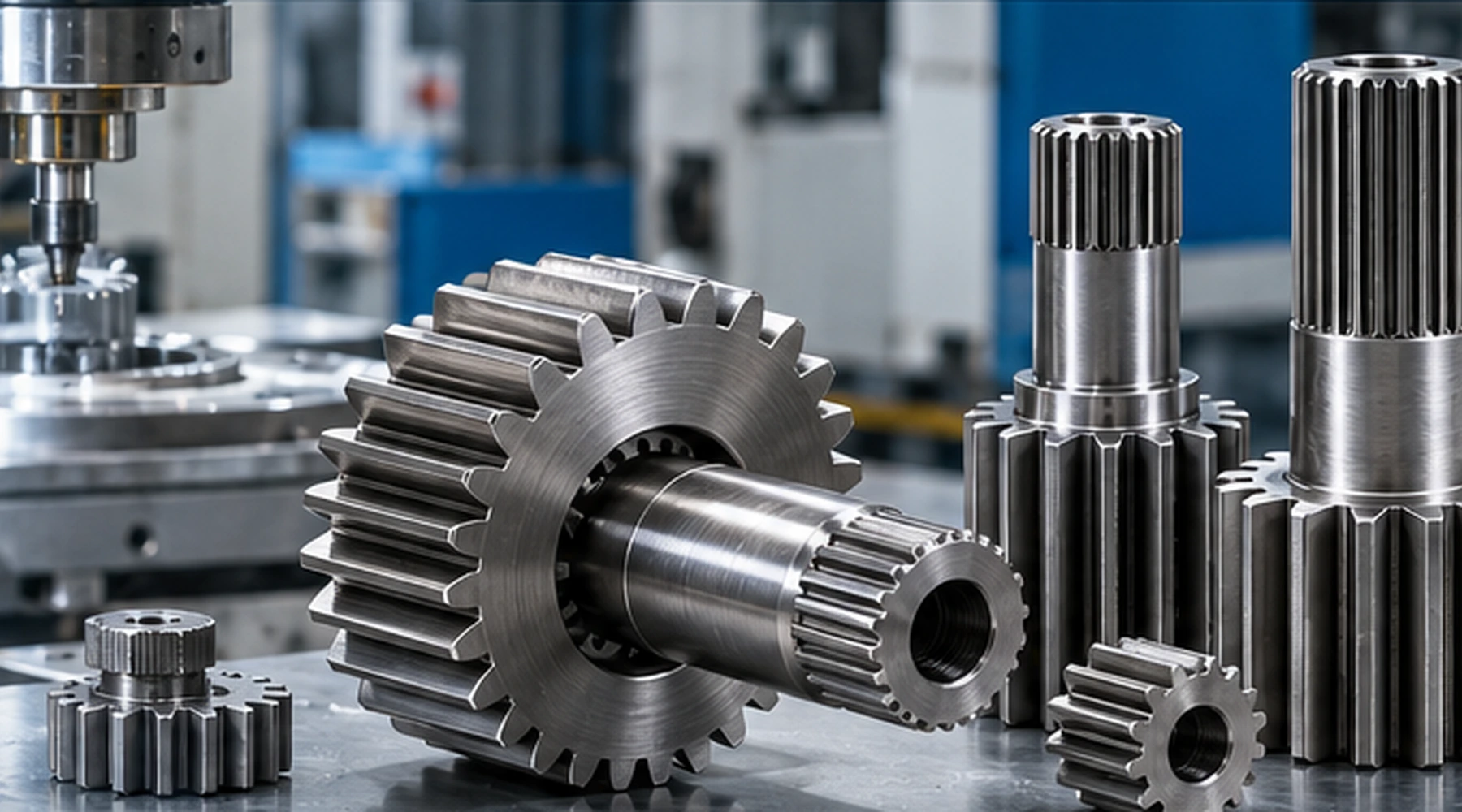
The sun gear is the central external gear in a planetary train. The correct part cannot be selected from outside diameter alone; tooth count, pitch system, pressure angle, profile shift, bore or spline and the mating planets all matter.
External sun gears for planetary stages where tooth count, module/DP and mating geometry are defined by the transmission design.
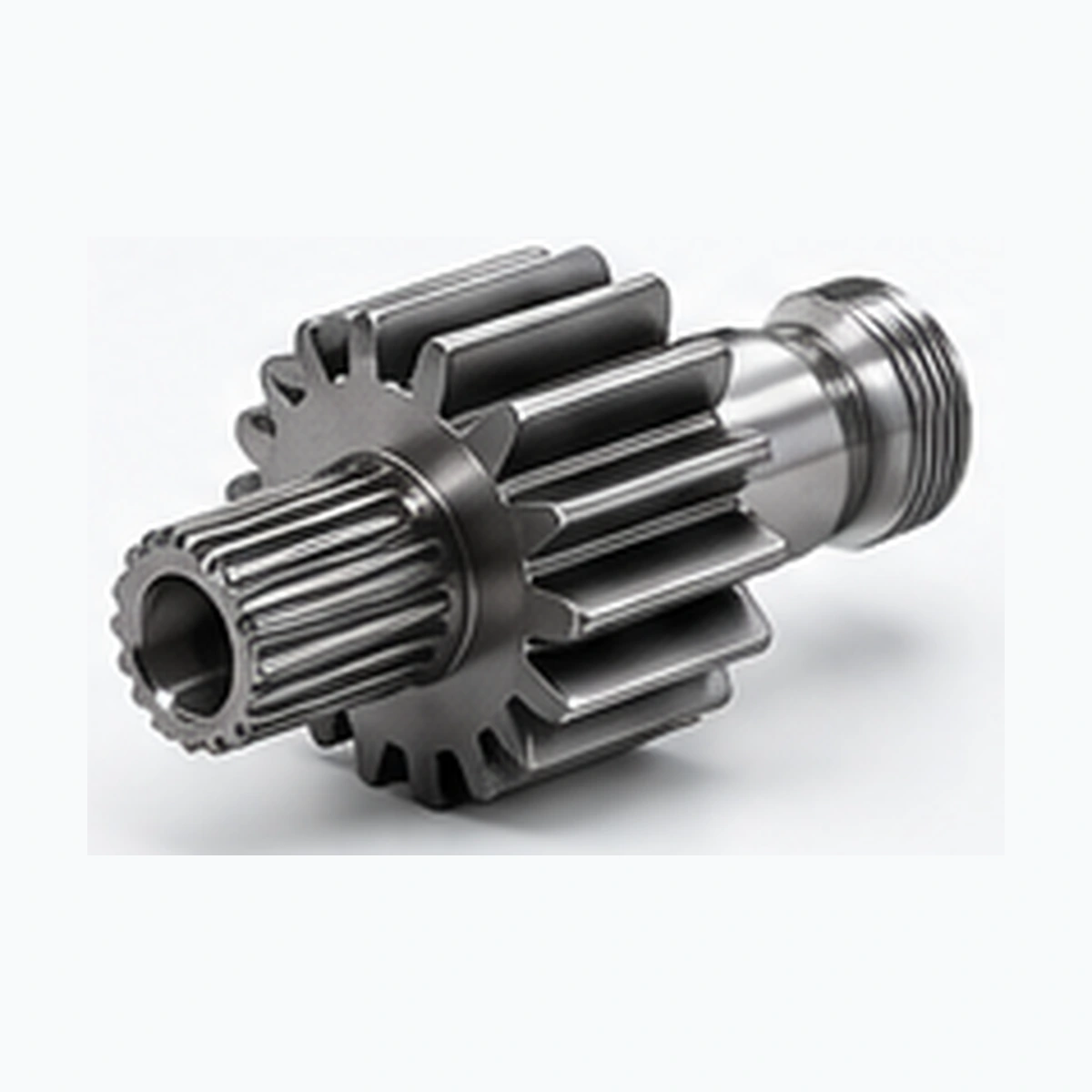
Sun gears with internal or external spline interfaces for torque transfer and repeatable assembly into planetary drivetrains.
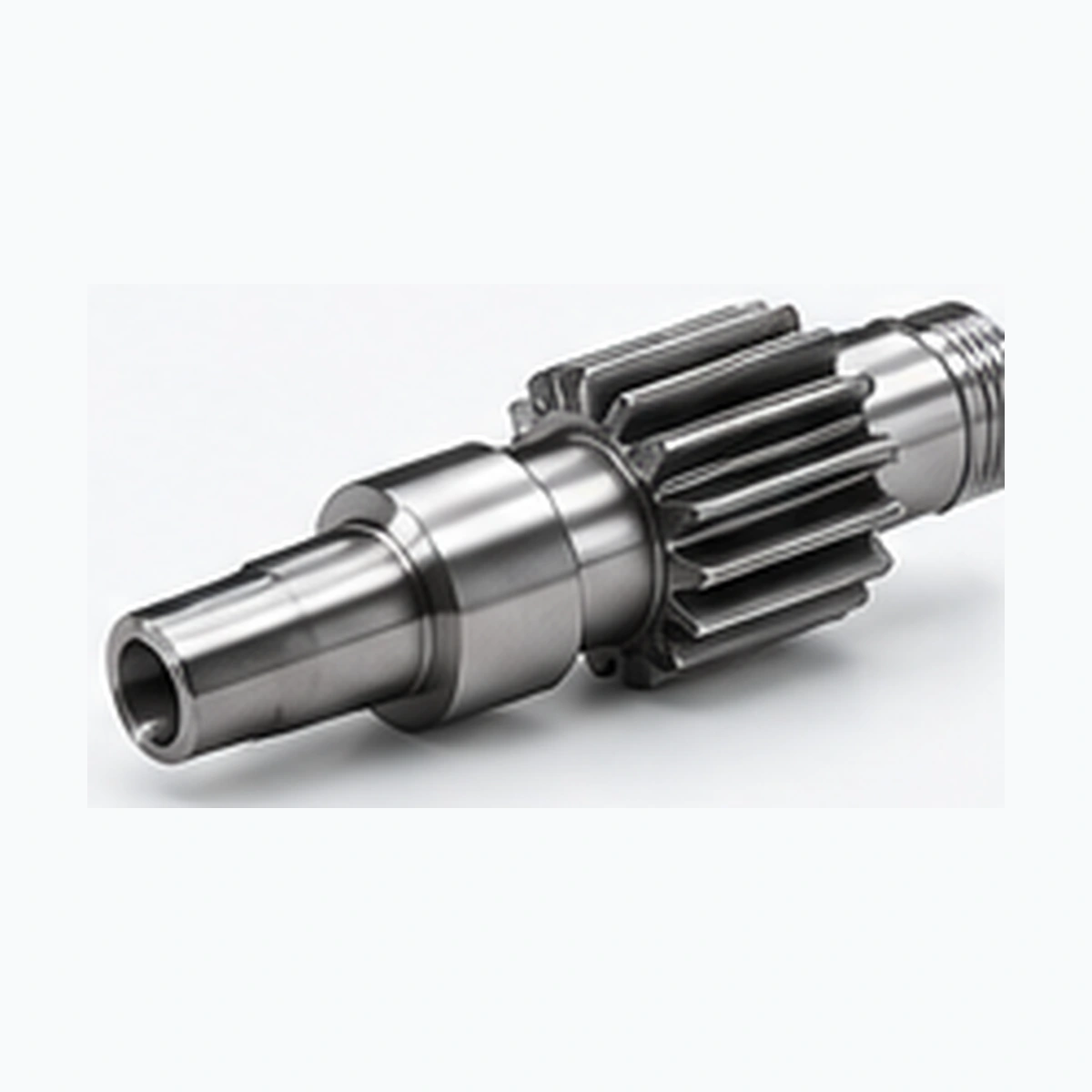
Integrated gear-and-shaft parts for layouts where the sun gear is combined with a journal, spline, bearing seat or drive interface.
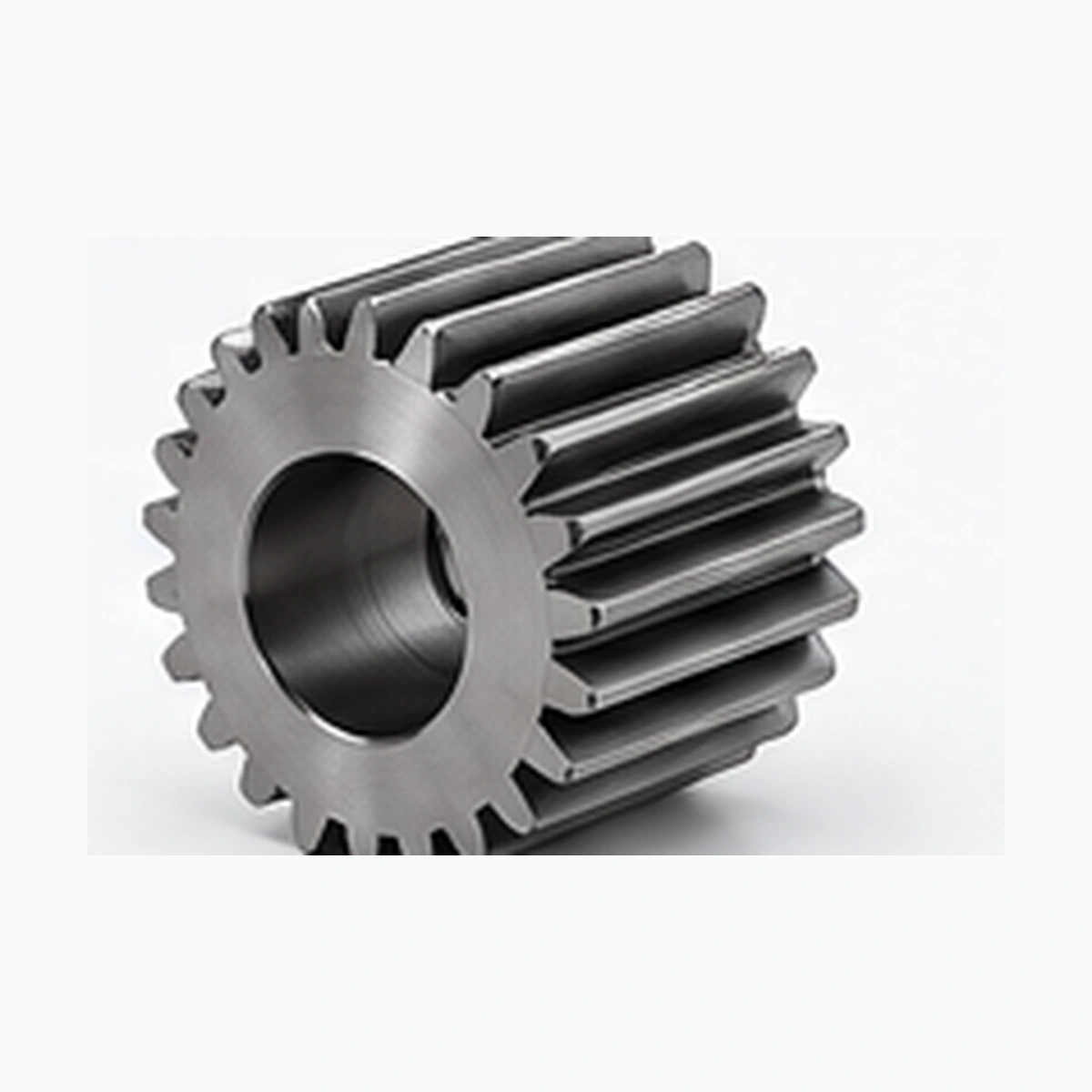
Bored or hollow sun gears for coaxial shafts, sleeves and compact planetary arrangements.
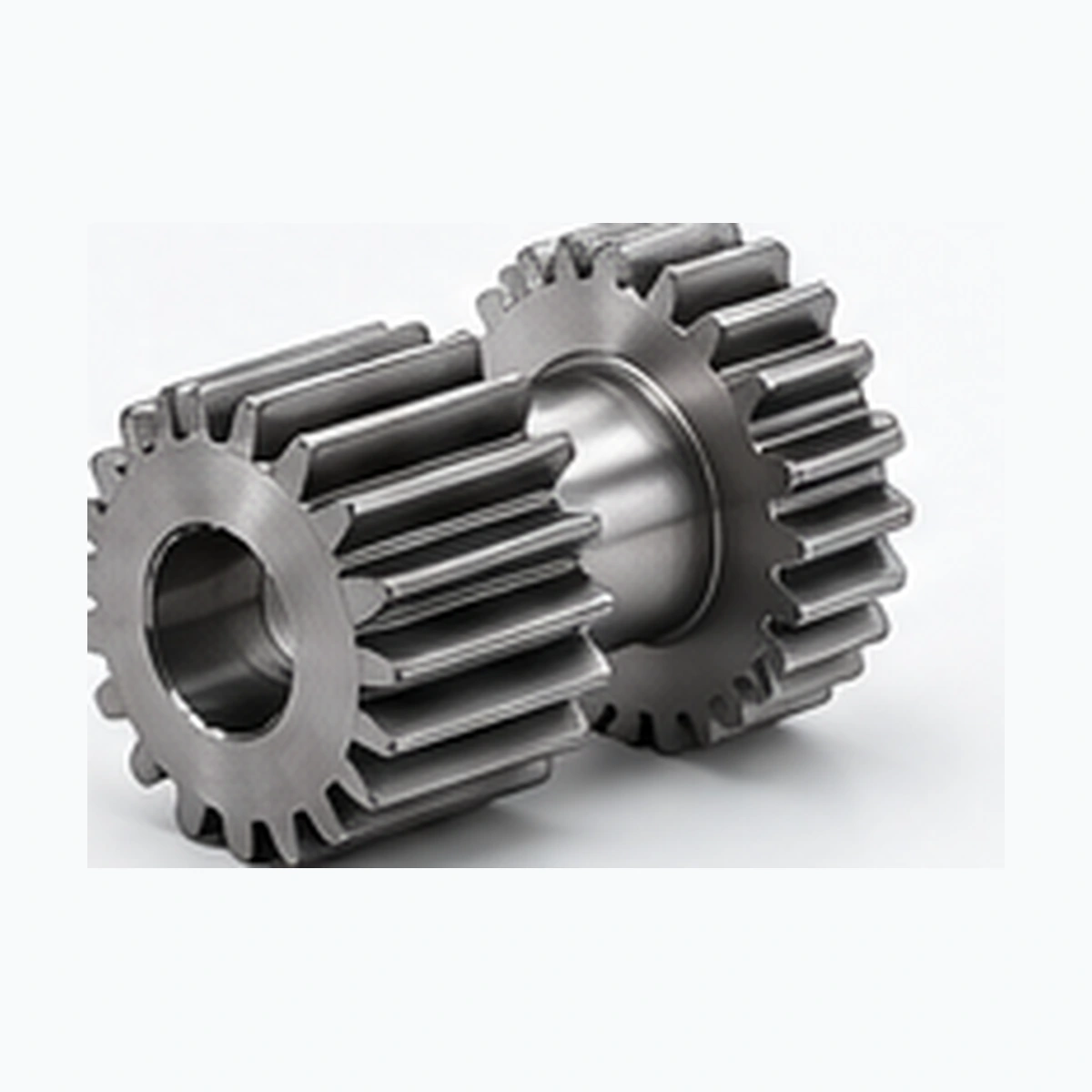
Drawing-based gears built around tooth geometry, bore or spline, material, heat treatment, finish and inspection requirements.
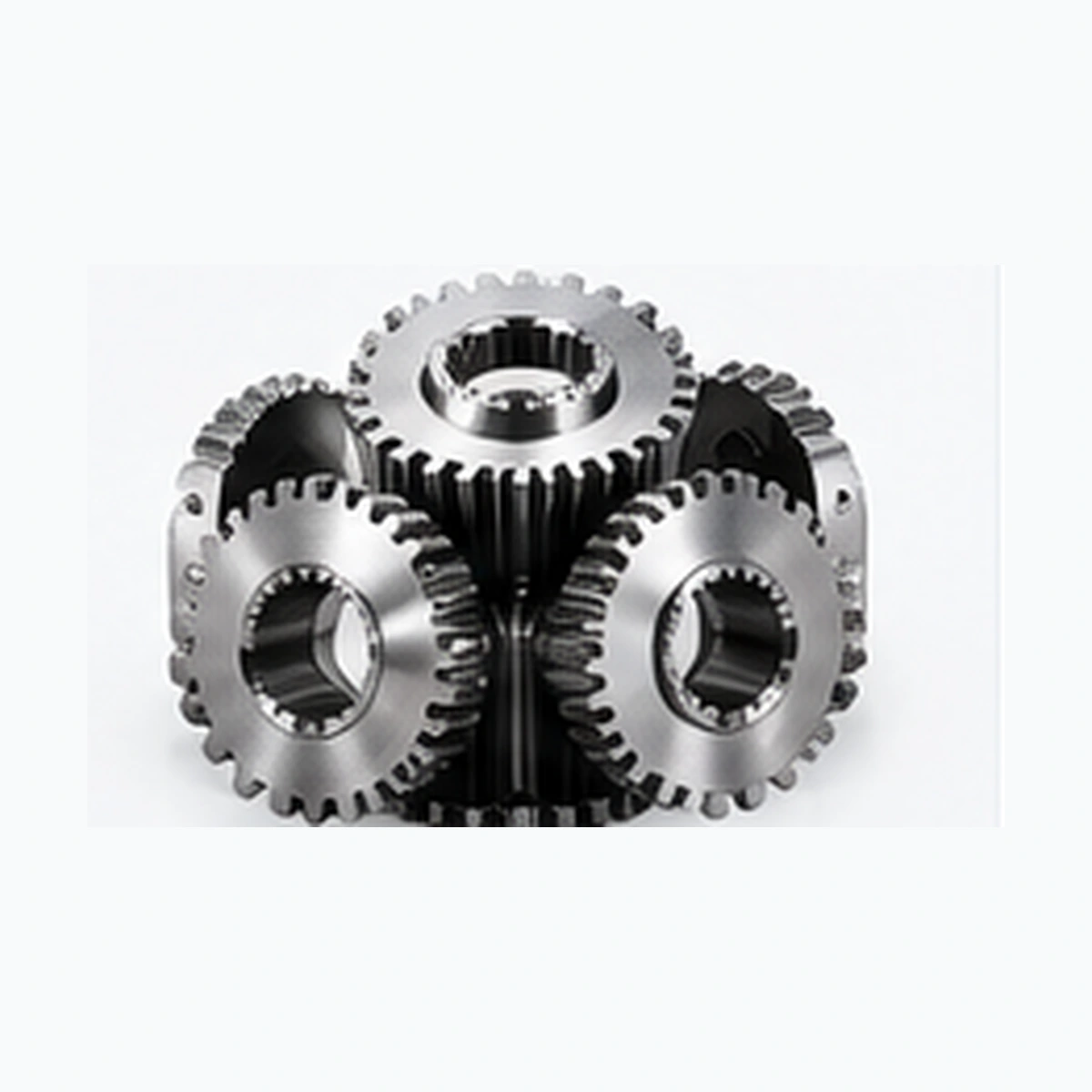
Related planet gears, ring gears and matched component sets when the project requires system-level review.
A planetary stage normally combines a sun gear, multiple planet gears, an internal ring gear and a carrier. The sun gear may be the input, output or fixed member depending on the transmission arrangement.
For replacement work, the mating planet gears and ring gear are part of the identification problem. Matching only the visible diameter can produce a gear that fits physically but will not mesh correctly.
A useful sun gear quotation starts with the gear mesh and shaft interface, not only the part name.
Module or DP, pressure angle, tooth count, helix angle when applicable, profile shift and any tip/root modifications.
Planet-gear tooth count, ring-gear tooth count and the required center-distance relationship.
Plain bore, keyway, internal spline, external spline or integrated shaft dimensions and fits.
State the drawing requirement, hardness target, case depth or equivalent project specification where controlled.
Torque, speed, starts/reversals, shock level, expected service life and operating environment.
Specify the required tooth, runout, concentricity, spline and material/heat-treatment records.
Different machines place different demands on the same basic planetary component.
Sun gears at the center of industrial planetary stages, from compact reducers to high-torque transmissions.
Planetary hub, travel and drive systems where shock load, tooth strength and heat treatment are key RFQ inputs.

Planetary stages used in wind and other energy equipment, with emphasis on torque, life, load distribution and inspection.
Compact drives, hubs and mobile machinery requiring durable planetary gearing and practical replacement support.
Servo, indexing and motion systems where concentricity, backlash, spline fit and repeatability matter.
Sun gears may require turning, hobbing or shaping, heat treatment, finish grinding and spline machining depending on the drawing and duty. The process route should follow the gear geometry and quality requirement rather than a generic one-size-fits-all recipe.
For critical replacements, inspection planning should be agreed before production so the buyer knows which dimensions and tooth characteristics will be reported.
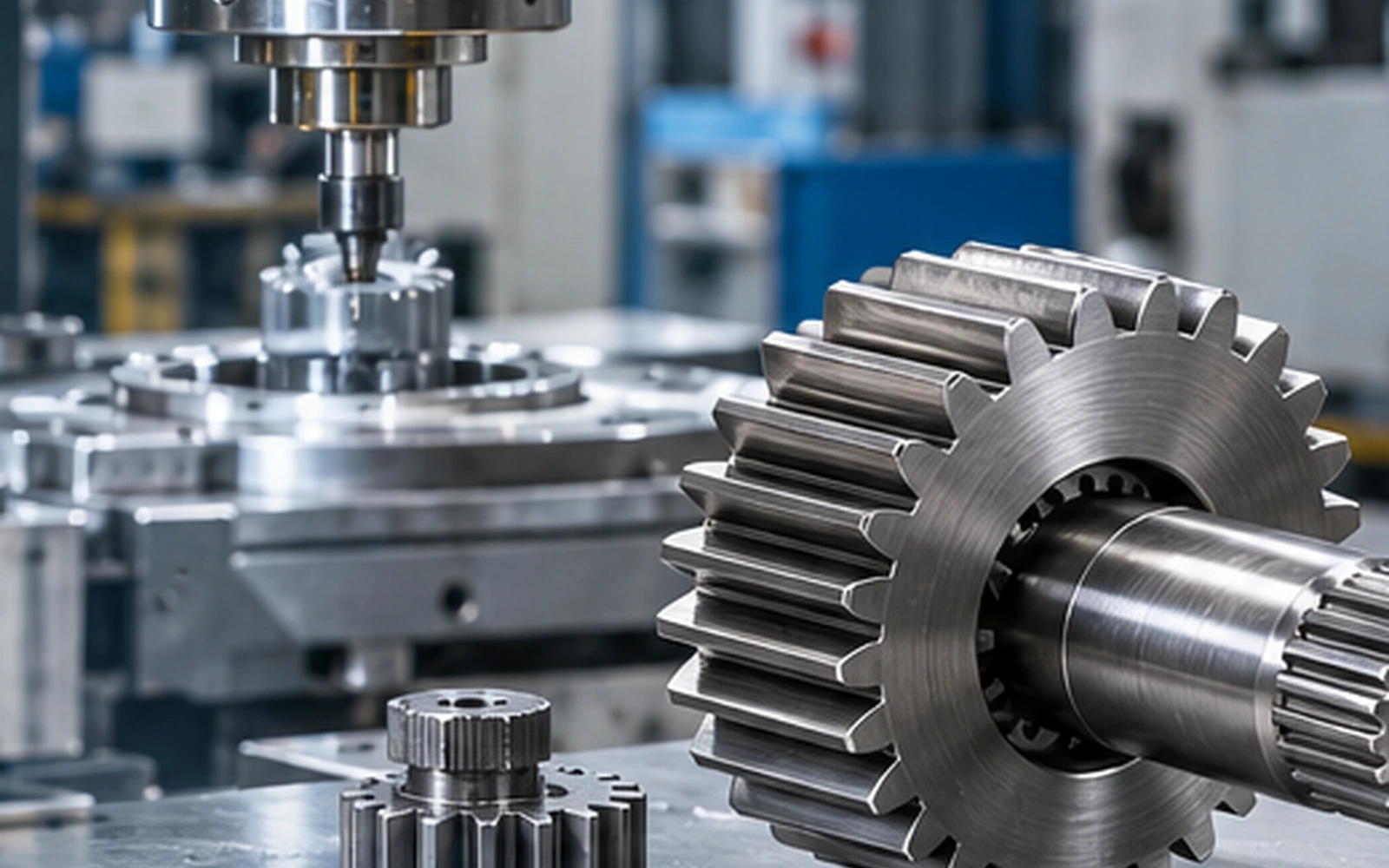
Send the drawing, tooth data, mating-component information, duty and quantity. We will review the interface before quotation.