Motion duty
Specify speed, acceleration, duty cycle and direction changes for the CNC machine tools axis.
For CNC machine tools, a rack drive should be selected from the machine duty and installation interface. We focus the RFQ on positioning behavior, backlash, stiffness and repeatable installation rather than applying one catalogue assumption to every axis.
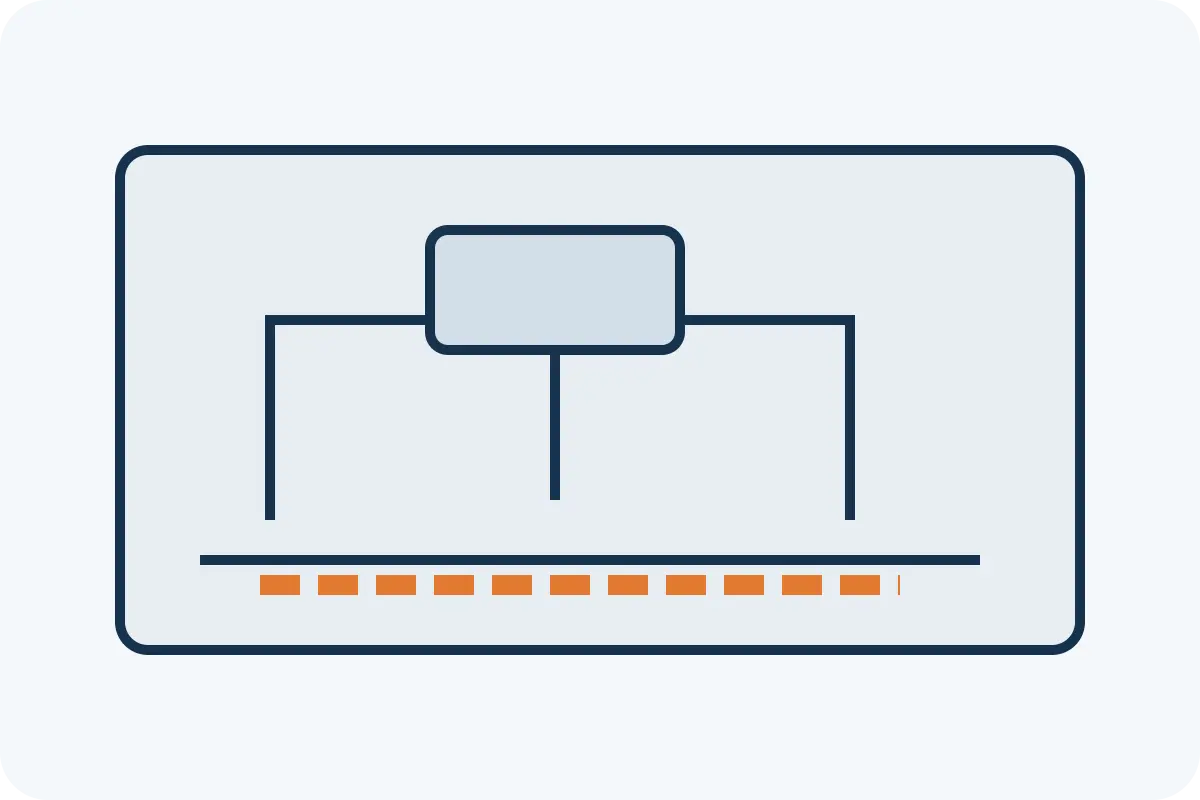
Typical uses include long X/Y-axis feeds, gantry mills and machining systems. The rack supplies the fixed linear tooth path while the driven pinion travels along it, or the arrangement can be reversed depending on the machine architecture.
Specify speed, acceleration, duty cycle and direction changes for the CNC machine tools axis.
Provide moving mass, feed force or torque at the drive where available.
State the required positioning, repeatability or drawing quality rather than a vague “high precision” request.
Show rack datum, section joints, mounting holes, pinion support and adjustment access.
Describe chips, dust, coolant, outdoor exposure, temperature or other contamination.
Confirm lubrication method, inspection access and expected maintenance interval.
Ground precision and helical rack options are common starting points, but the final choice depends on axis duty and the target tolerance.
The rack and mating pinion must still share the same pitch system, pressure angle and other tooth geometry. Final material, treatment, finish and quality are confirmed for the ordered drawing.
| Specification | Project / ordering requirement |
|---|---|
| Machine / axis | CNC machine tools |
| Travel and rack length | Confirm stroke, individual section length and number of sections. |
| Pitch system | Module, DP or CP from design or existing component. |
| Pressure angle / helix | Confirm from drawing; helix hand/angle where applicable. |
| Pinion | Tooth count, bore/shaft/hub interface and gearbox arrangement. |
| Duty | Moving mass, linear speed, acceleration, cycles and load/force. |
| Accuracy | Drawing tolerance, positioning/repeatability target or required quality class. |
| Environment | Contamination, lubrication, temperature and corrosion conditions. |
| Quantity | Prototype and expected batch/program volume. |
Multi-section racks on CNC machine tools equipment need a controlled mounting reference. The joint should not become an abrupt pitch error, and pinion engagement must remain consistent along the travel.
Rack and pinion geometry agree.
Mounting face and hole pattern are fully dimensioned.
Segment ends and joining method are defined.
The pinion/gearbox load path is understood.
Access and lubricant delivery are practical.
Required dimensional and tooth checks are stated.
Prototype and small-quantity projects can be discussed. For program work, include estimated annual demand or batch quantity so process and packaging can be planned appropriately.
Measurements help, but a drawing or complete tooth data is strongly preferred. A worn rack can be a poor master for exact tooth geometry.
Yes. Quote the pinion together with the rack when you want one controlled tooth-system interface.
No. The target accuracy should be tied to the machine requirement and drawing, then confirmed for the ordered configuration.
Include the rack type, pitch system, pressure angle, required length, mating pinion data, target accuracy or tolerance, operating duty and quantity. A drawing is the fastest way to remove ambiguity.