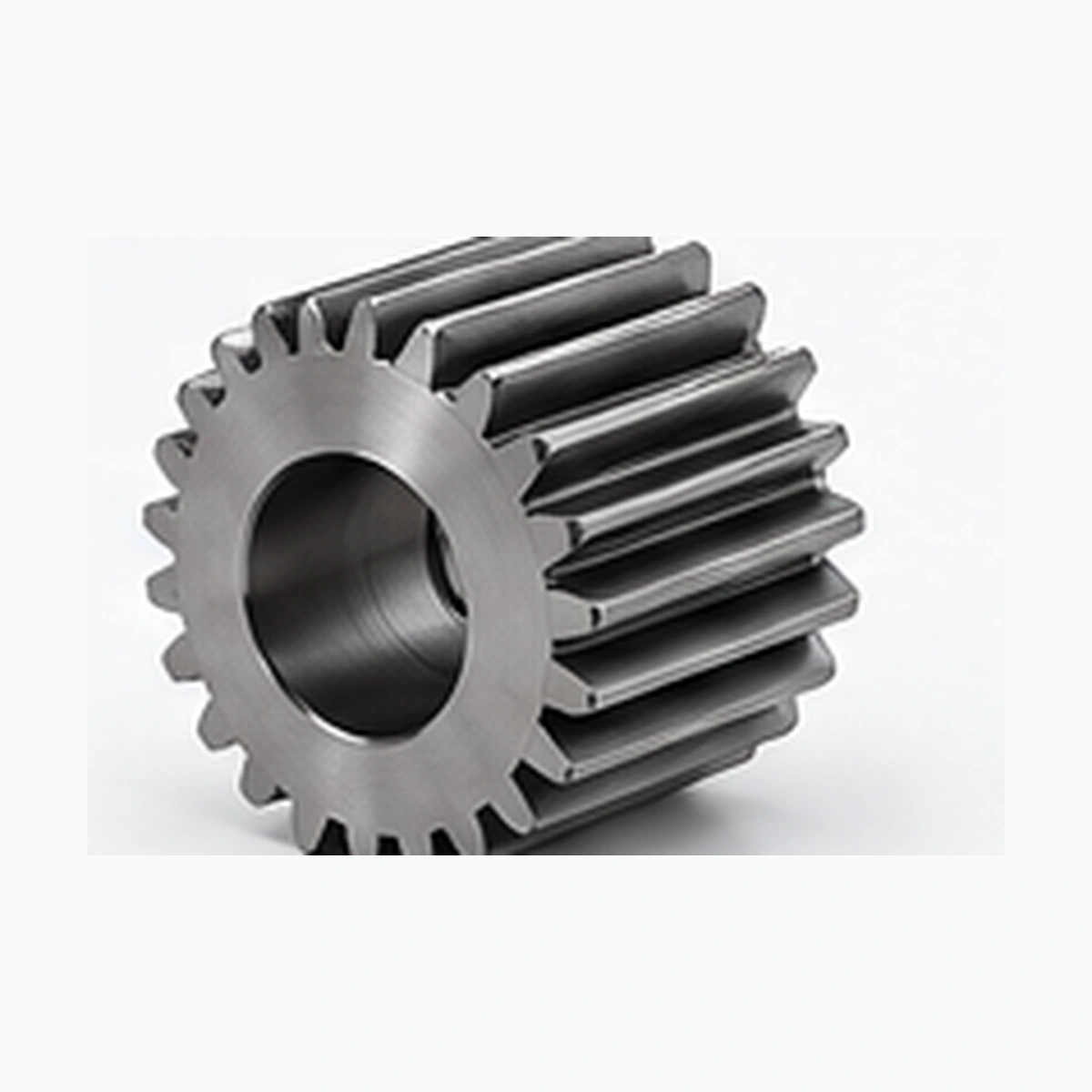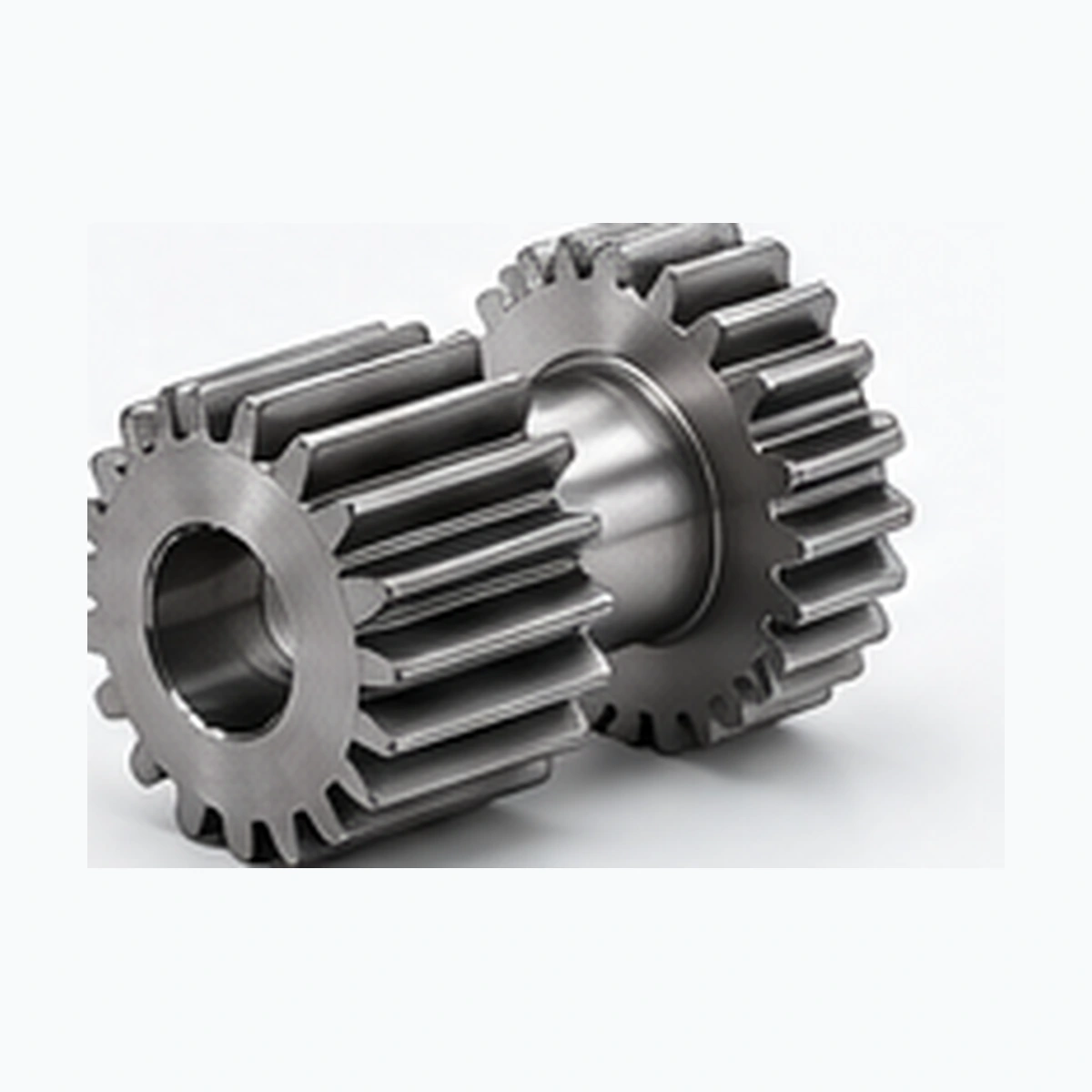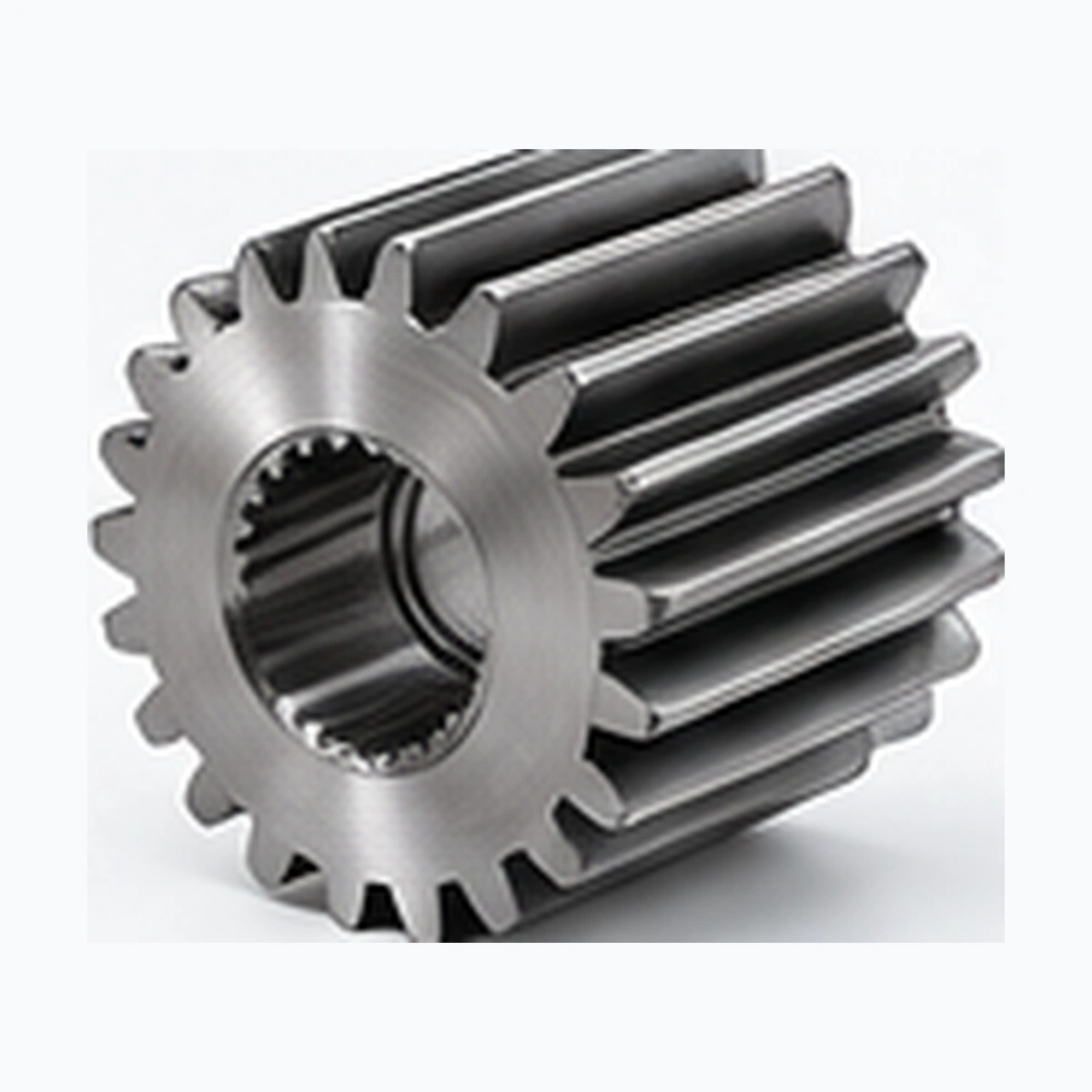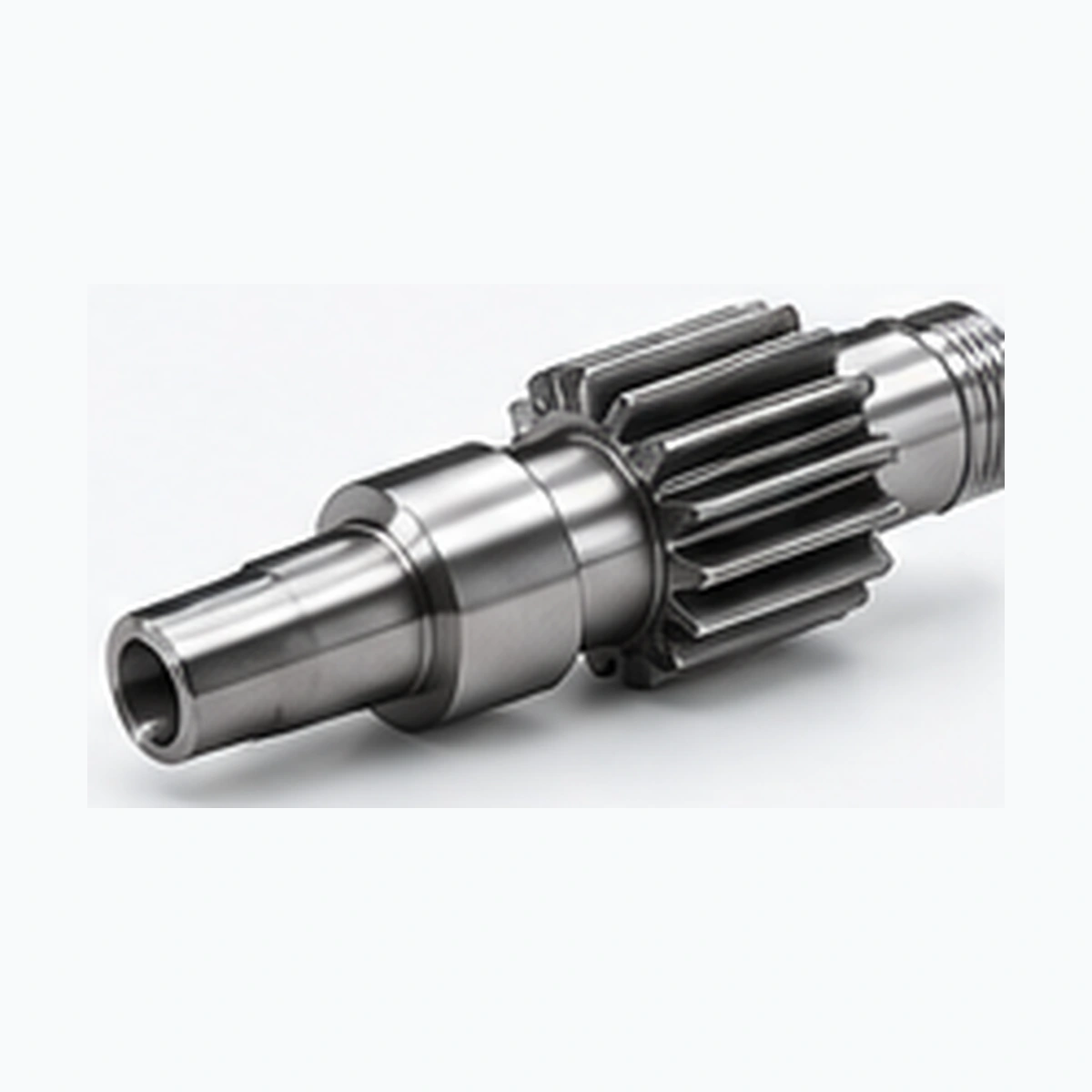
Planetary Geometry
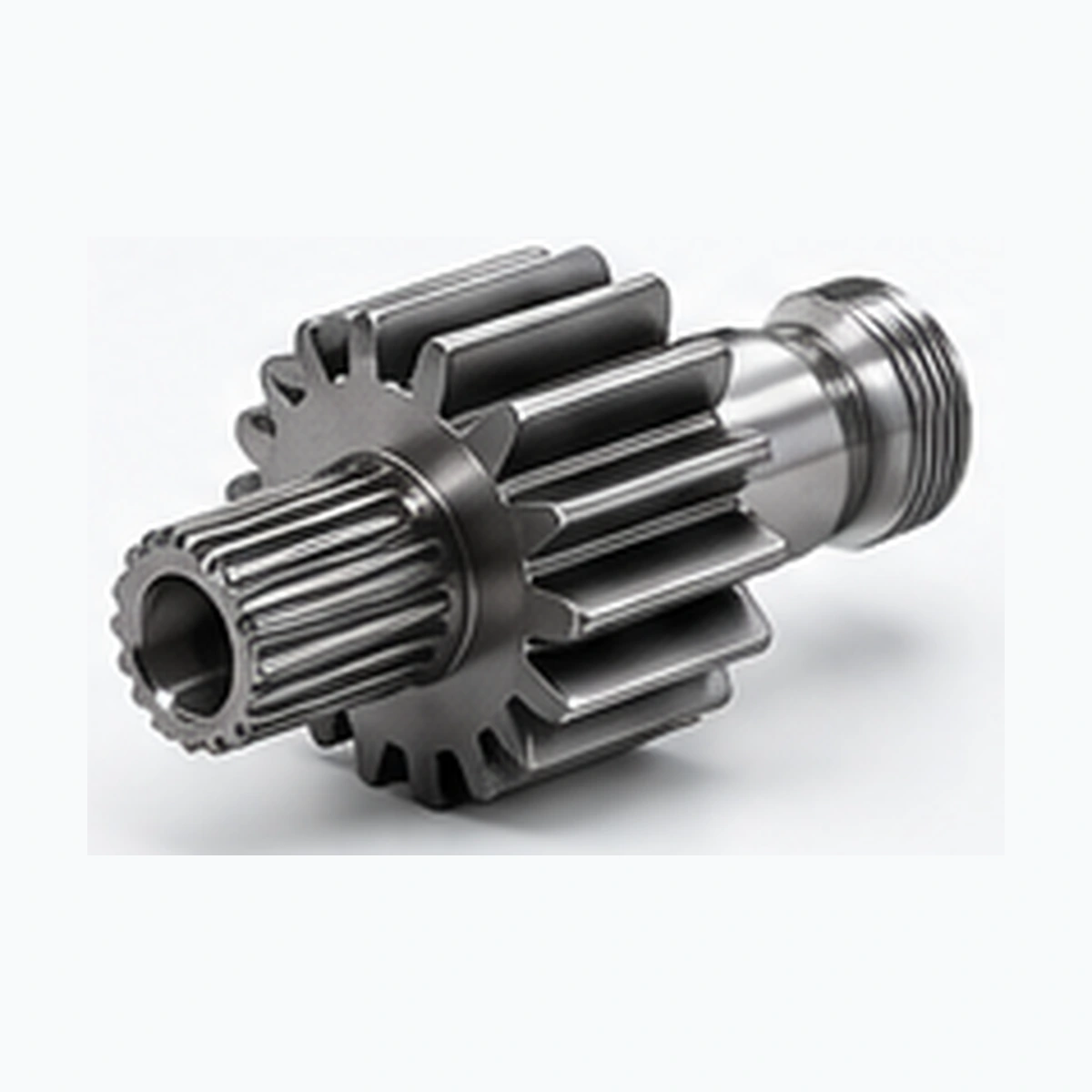
Sun, planet and ring relationships, tooth count, pitch system, profile shift and planet count.
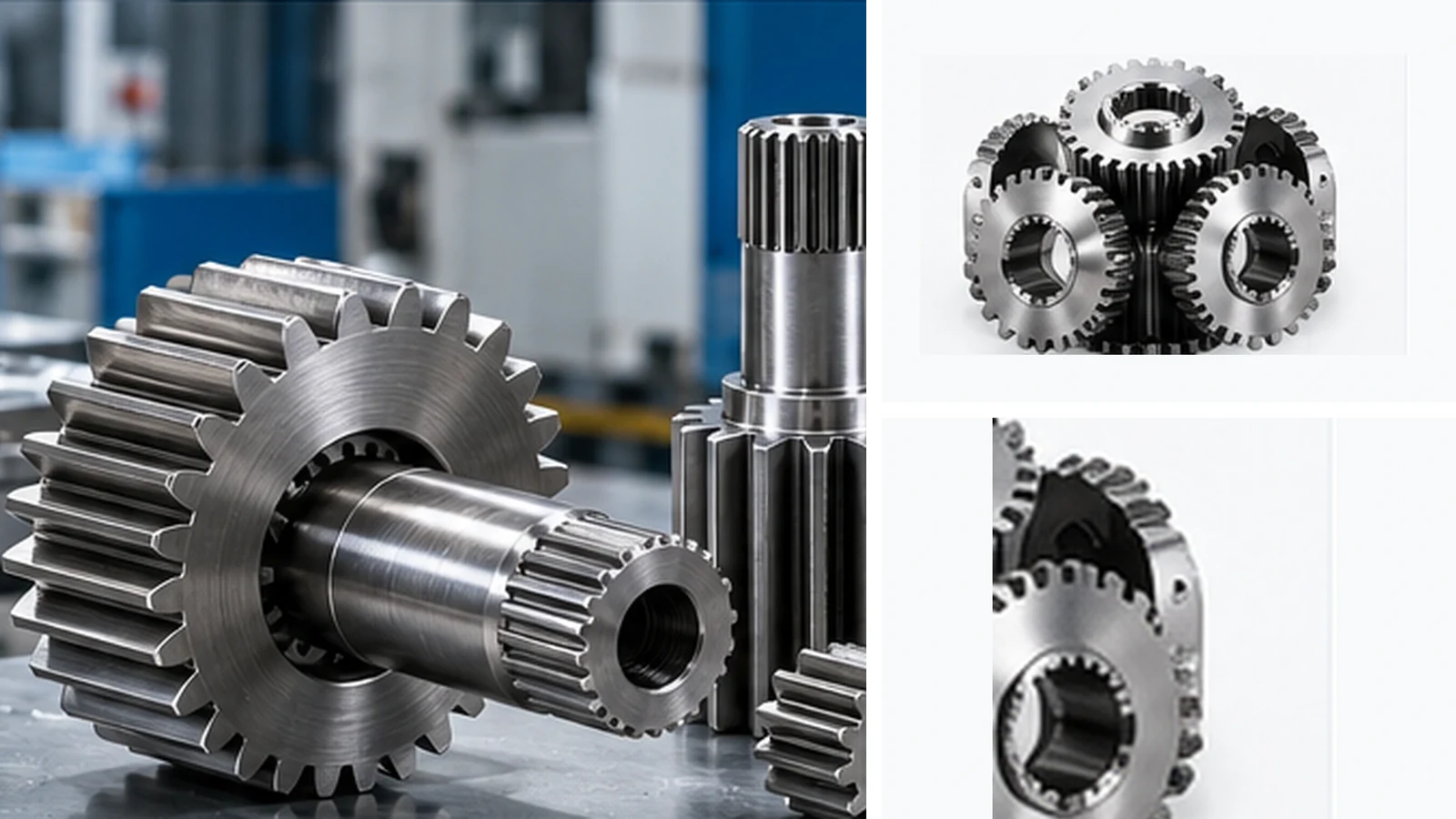
Practical guides for identifying, selecting, specifying, manufacturing and replacing sun gears and their mating planetary components.
The library is organized around real buyer and engineering decisions rather than keyword-only article variants.
Sun, planet and ring relationships, tooth count, pitch system, profile shift and planet count.
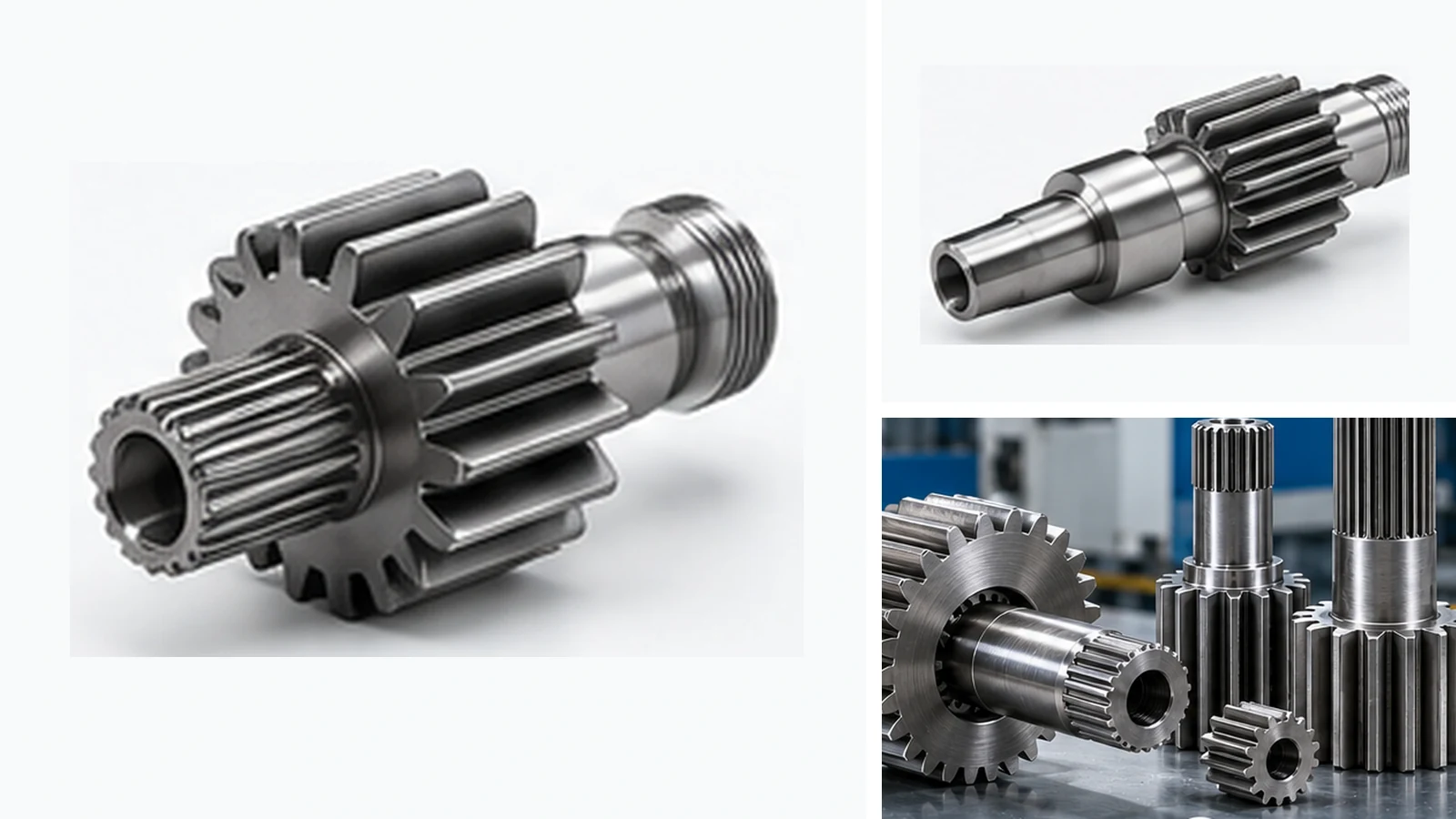
Splines, bores, keys, integrated shafts, bearing seats, runout and concentricity.
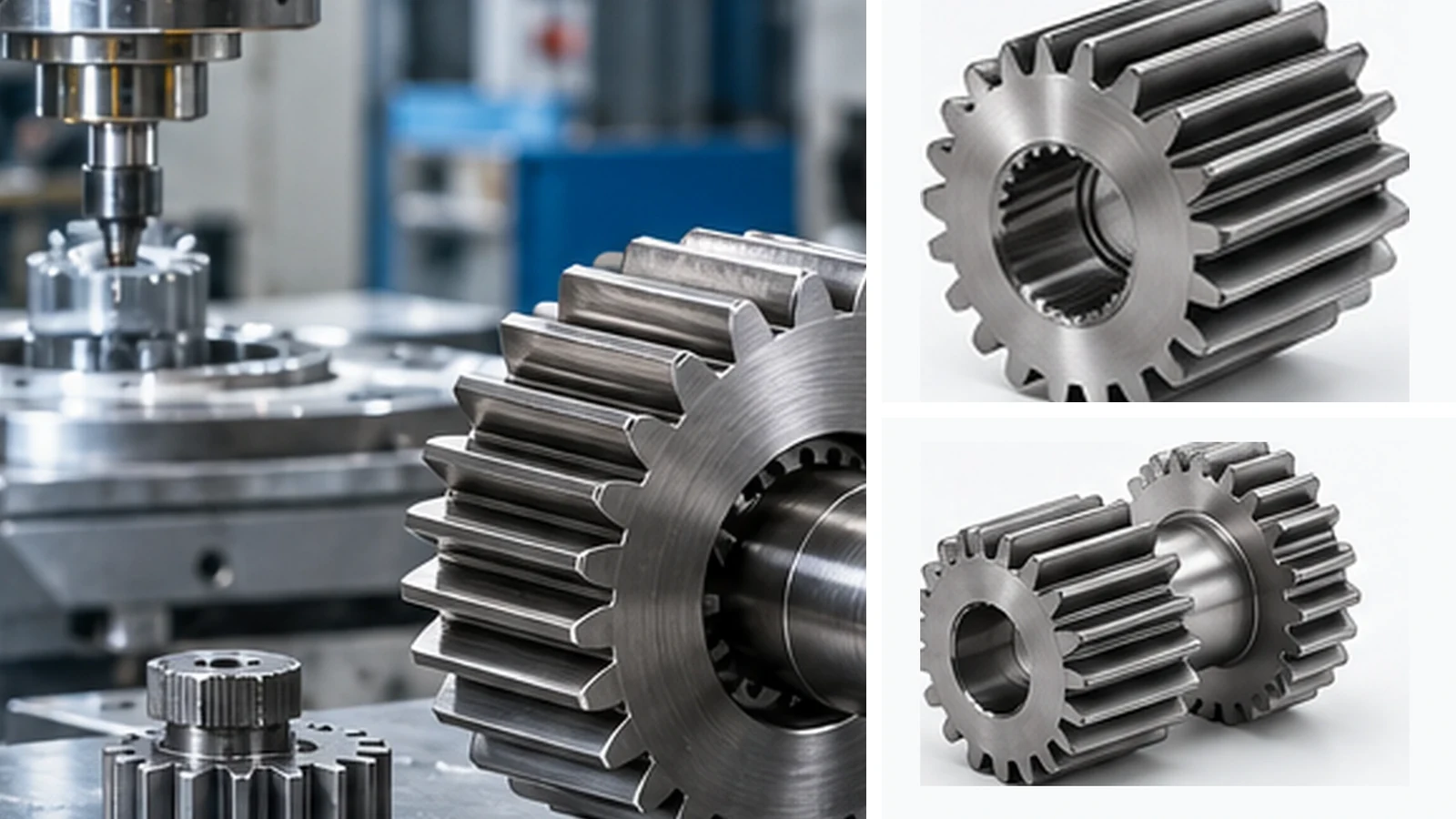
Hobbing, grinding, heat treatment, tooth inspection and drawing completeness.
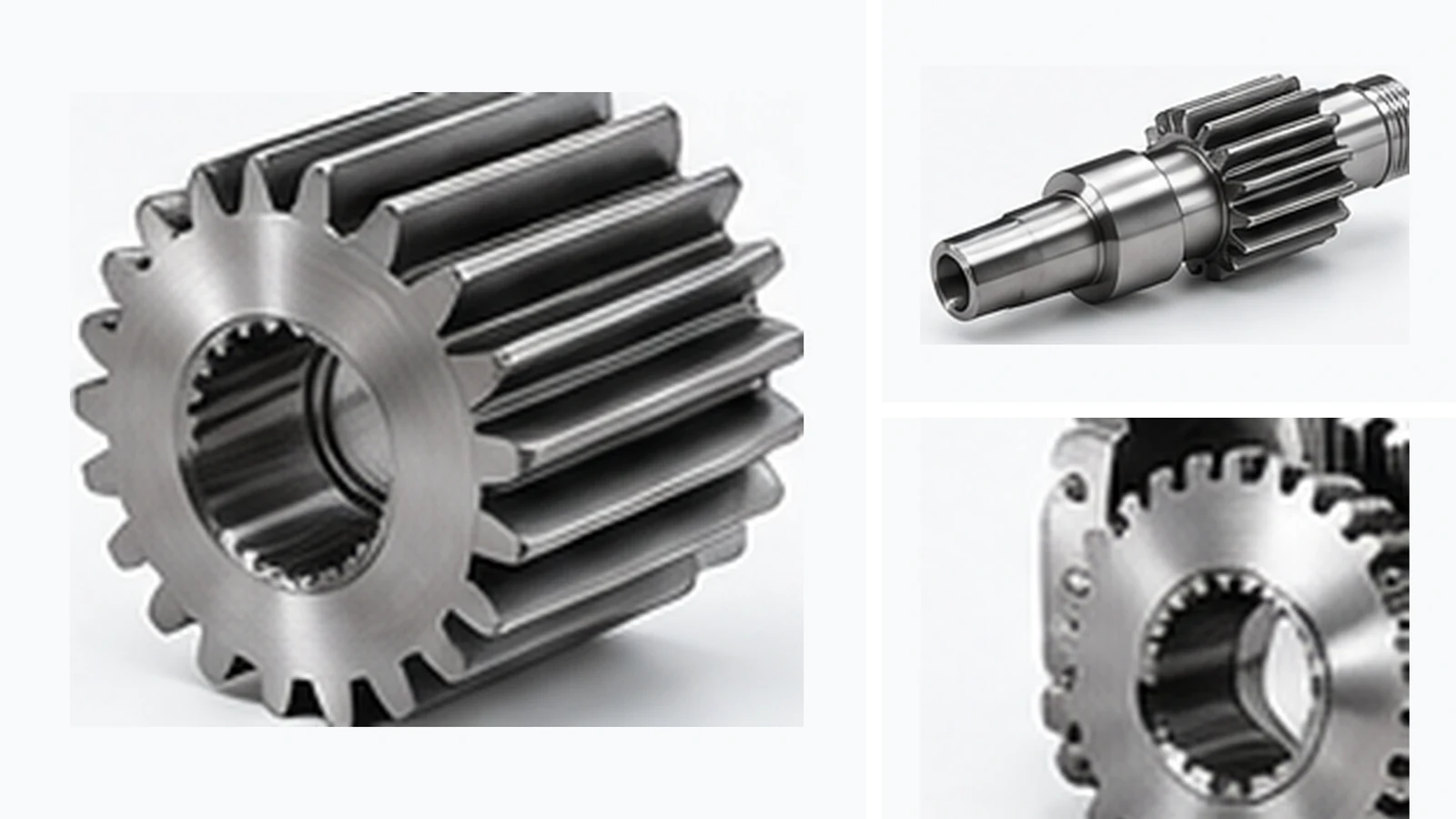
Measurement, reverse engineering, lubrication, failure diagnosis and spare-part RFQs.
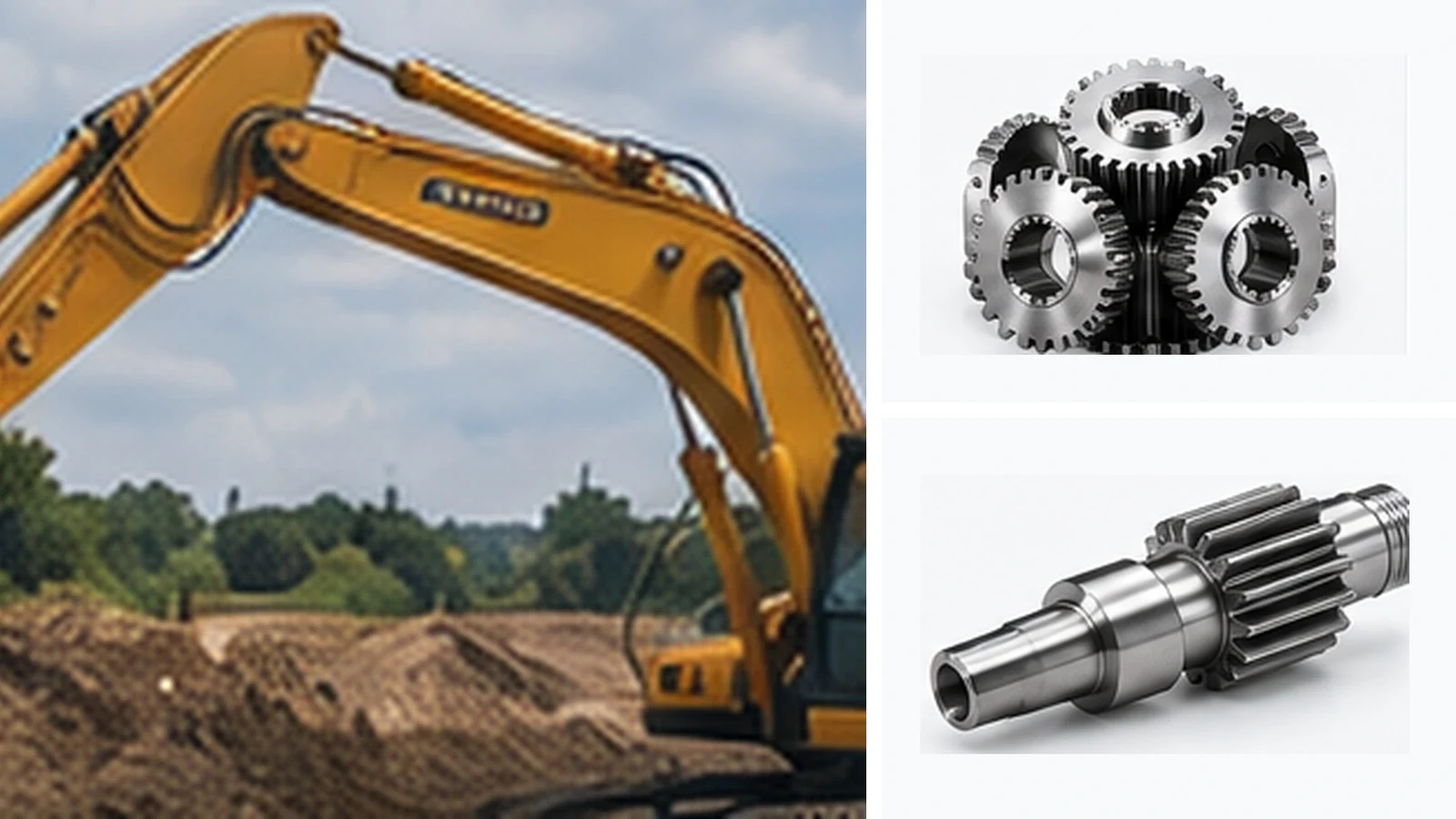
Heavy machinery, agriculture, renewable energy and precision automation duty.
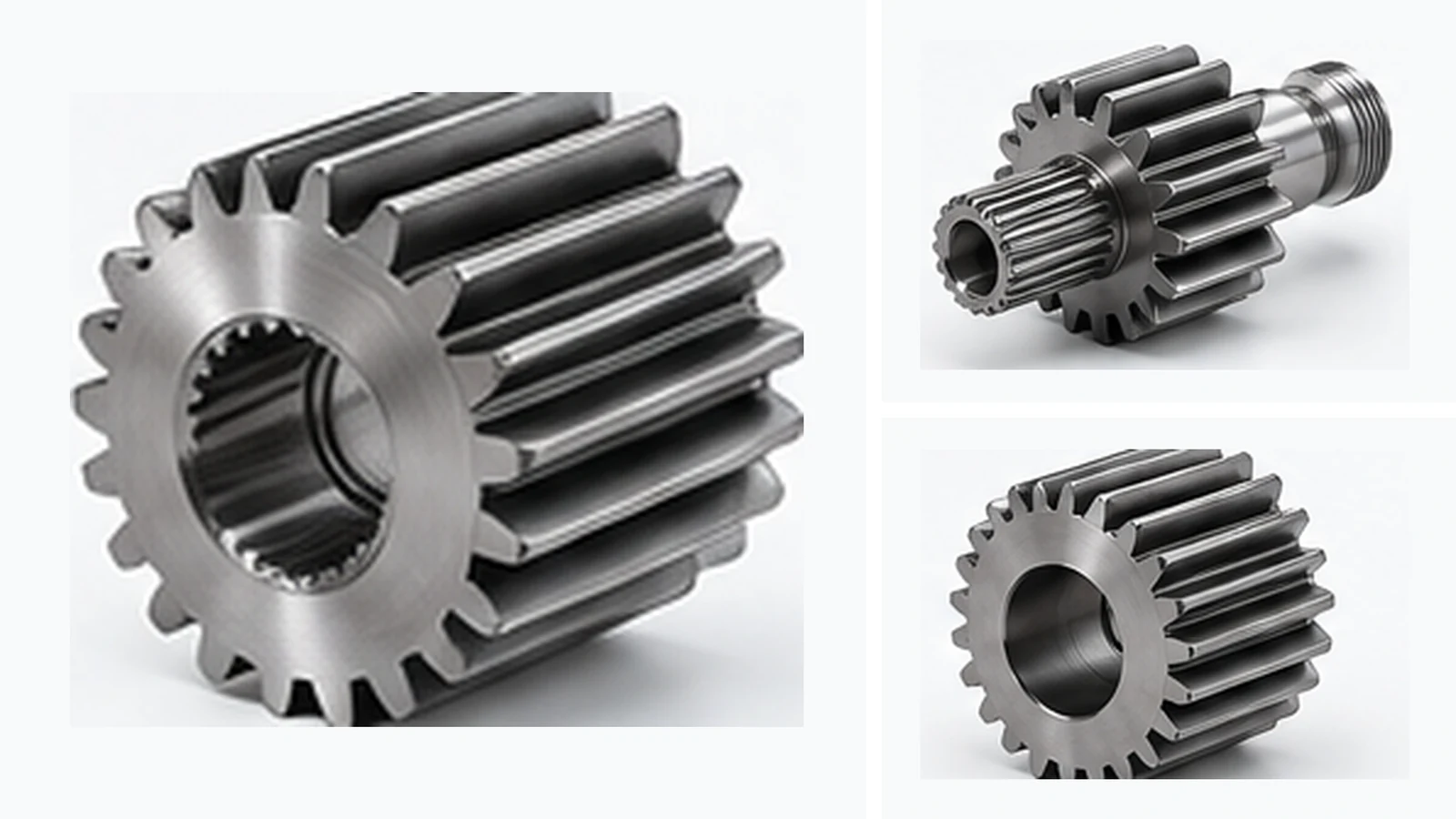
Prototype-to-series planning, matched component sets, inspection scope and packaging.
The index below is generated from published WordPress posts, so new articles remain editable and appear automatically without rebuilding a static card list.
A matched planetary set is defined by the shared tooth system, center-distance geometry, planet count and component interfaces—not by purchasing three unrelated gears together.
Read articlePrototype and series sun gears should share one approved geometry, but tooling, inspection strategy and process economics can change as volume grows.
Read articleA custom sun gear drawing should define the tooth system, center interface, functional datums, material/process and acceptance requirements in one controlled record.
Read articleWhen no drawing exists, a sample can support reverse engineering, but wear and damage must be separated from the original geometry before a controlled drawing is created.
Read articleAutomation and servo planetary drives place strong emphasis on backlash, concentricity, reversal behavior and repeatability.
Read articleRenewable-energy gear stages emphasize long-life duty, load distribution and documentation; the sun gear requirement depends strongly on stage location and speed.
Read articleAgricultural equipment exposes planetary gears to variable load, contamination and seasonal service while still demanding compact, repairable drive systems.
Read articleHeavy machinery planetary drives combine compact torque density with shock, contamination and difficult service conditions.
Read articleLubrication protects tooth surfaces, removes heat and carries contamination away; sun-gear speed and stage orientation affect how that oil reaches the mesh.
Read articleSun gear damage is evidence about the whole planetary stage. Replacing the center gear without finding the cause can lead to repeat failure.
Read articleProfile shift changes tooth thickness, proportions and center-distance possibilities and must be considered across both planetary meshes.
Read articlePlanet count changes load sharing, carrier layout and assembly conditions, so it belongs in a serious planetary gear review.
Read articleSun gear inspection combines tooth-size measurements with runout, interface and analytical tooth checks selected for the actual drawing.
Read articleCase-hardening routes can combine a wear-resistant tooth surface with a tougher core, but material, case depth, hardness and finishing need to be specified together.
Read articleHobbing is a productive gear-tooth cutting method, while grinding is a finishing route used when the approved accuracy or post-heat-treatment requirement calls for it.
Read articleRunout only has meaning relative to the surface that defines the operating axis. On a sun gear, that datum may be a bore, spline, shaft or bearing seat.
Read articleA hollow center can create space for shafts, sleeves or passages, but the remaining section, runout and heat-treatment route still have to support the duty.
Read articleThe center interface determines how torque enters the sun gear and how accurately the part stays on the planetary centerline.
Read articleThe right sun gear is selected from the complete planetary geometry, center interface, operating duty and inspection needs—not from diameter alone.
Read articleSpur and helical sun gears create different axial-force, noise and manufacturing considerations even when they serve the same planetary function.
Read articleA complete custom sun gear RFQ joins the gear mesh, shaft interface, duty, quality and commercial requirements in one controlled package.
Read articleWhen the original drawing is missing, build the replacement record from the gear mesh and the shaft interface.
Read articlePlanetary backlash and tooth contact depend on the whole stage, not the sun gear alone.
Read articleMaterial and heat treatment should be selected from load, life and drawing requirements rather than copied from an unrelated gear.
Read articleIntegrating the sun gear with a shaft can reduce joints, but it also makes journals, bearings, splines and gear teeth one precision component.
Read articleThe spline can be as important as the gear teeth. A correct sun gear must both mesh with the planets and fit the drive shaft or hub.
Read articleFor a standard unshifted planetary stage, the sun, planet and ring tooth counts are linked by the center-distance relationship.
Read articleModule or diametral pitch sets tooth size, while pressure angle defines the involute geometry. Both must match the mating planet gears.
Read articleThe sun gear, planet gear and ring gear share the same planetary mesh but have different roles and manufacturing features.
Read articleA sun gear is the central external gear in a planetary train. It meshes with the planet gears, while the planets also mesh with the internal ring gear.
Read articleKnowledge content helps identify which values matter, but it does not replace the project drawing, mating gear geometry or operating requirement. A replacement gear should preserve verified source data; a new design should close open values through engineering review.
If an article reveals missing information, send the available drawing, sample photos and measurements through the RFQ form. We can turn the missing items into a focused clarification list instead of guessing.
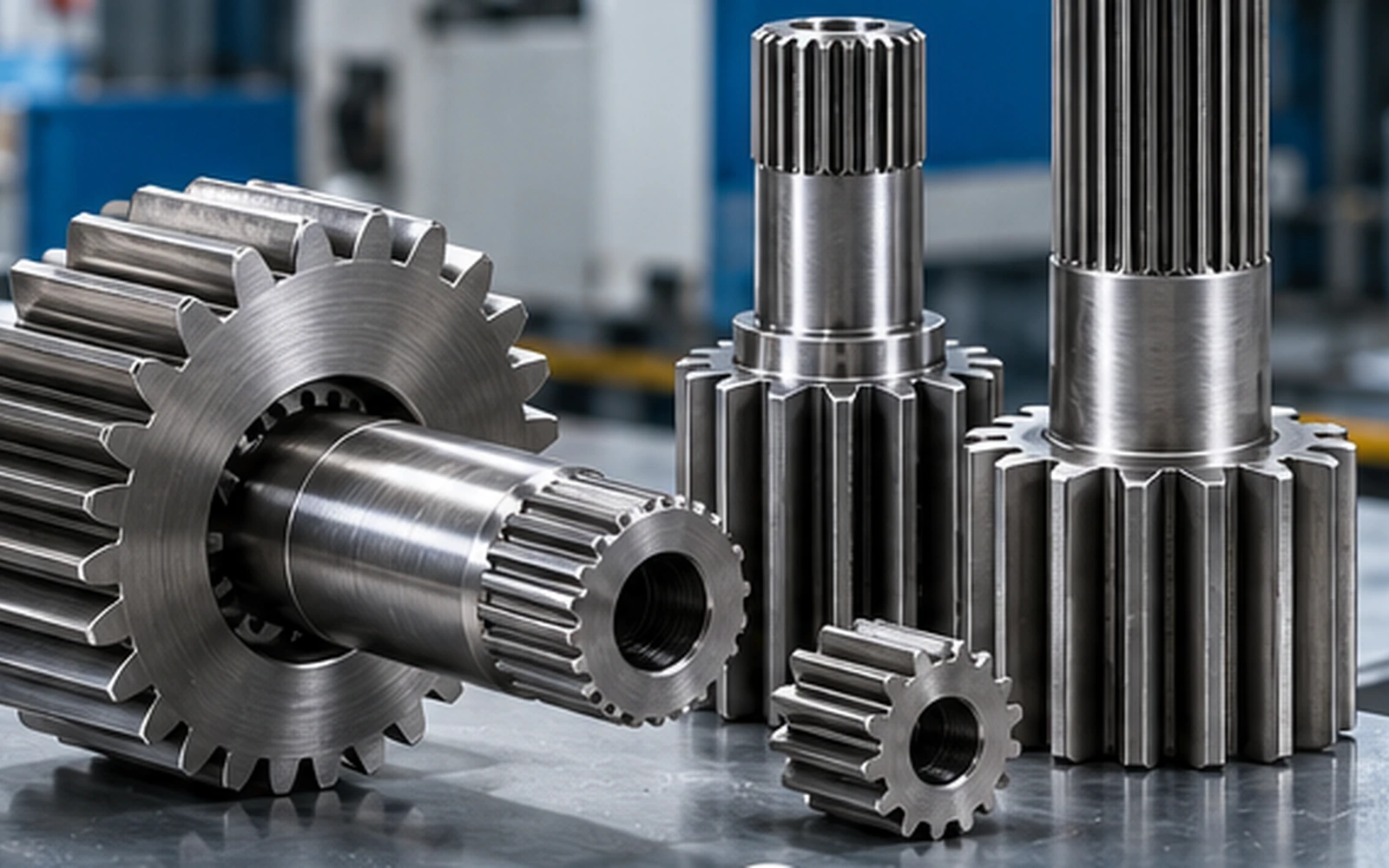
Send the drawing, tooth data, mating-component information, duty and quantity. We will review the interface before quotation.